
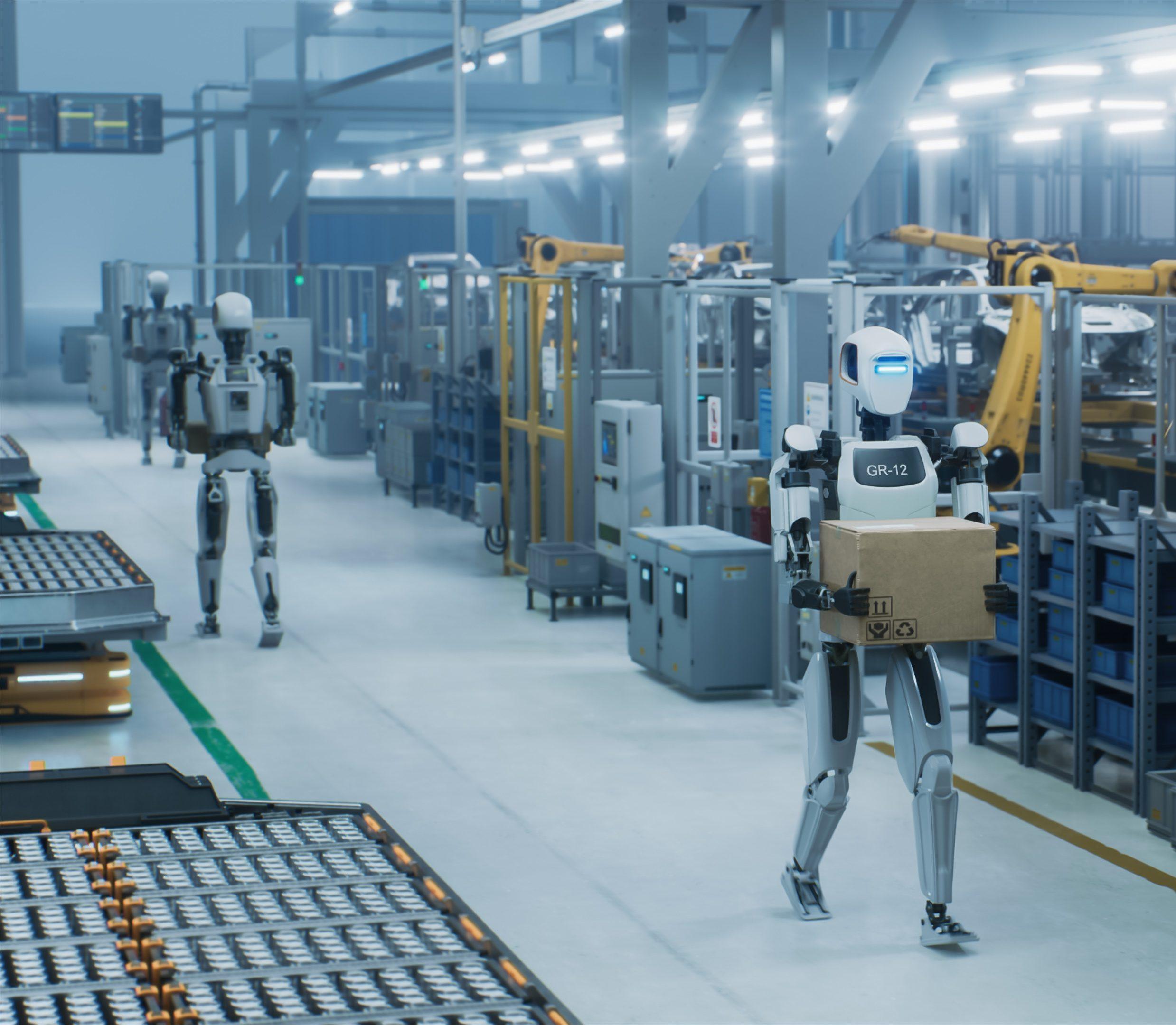
Robot Workforce Management
Which tasks to give to robots,and when
We map your on-site work in detail and decide which tasks to hand to robots and when. We then build operations and measure results with you.
Adopting AI robots is not a one-time decision
Factory automation used to mean dedicated machines repeating fixed tasks. AI robots can do more every time the technology advances, so the tasks and timing need to be reviewed continuously.
| Aspect | Conventional automation | AI robots |
|---|---|---|
| Tasks | Fixed, repetitive tasks | Keeps expanding with progress |
| When to decide | Once, at line launch | Each time the technology advances |
| Data needed | Standard times, output | Hand motion, objects, environment, worker judgement |
| Industries | Manufacturing with standard work | Any industry with hard-to-standardise work |
Our approach
- 1
Map the work
Record and organise work, including what manuals miss, with hand motion, volume and difficulty.
- 2
Find tasks robots can take on
Combine robot operating data with on-site data and decide tasks and timing from the payback period.
- 3
Build operations
Select robots, run on-site trials and extra training, and design how people and robots work together.
- 4
Measure and decide what is next
Measure throughput and downtime against forecasts, then review the next tasks.
What we cover
From mapping work to measuring results. Equipment integration and maintenance are handled with partner companies.
- 1
Structuring work
- 2
Choosing tasks and timing
- 3
Selecting robots
- 4
Trials and extra training
- 5
Integration with equipment and systems
- 6
Building operations
- 7
Operation and maintenance
- 8
Measuring results
Tell us about your site.
Robo Data Bank, Skill Transfer, robot adoption or becoming a sales partner: reach us here and choose your topic in the form.